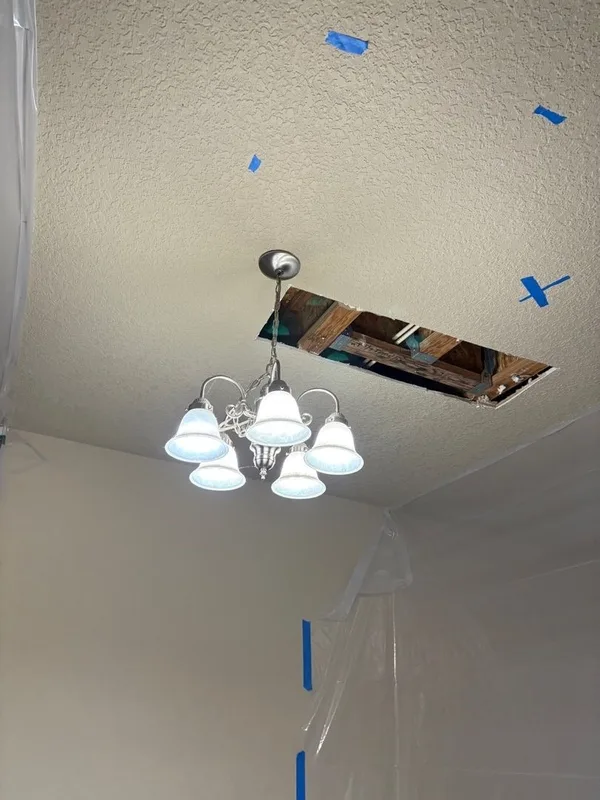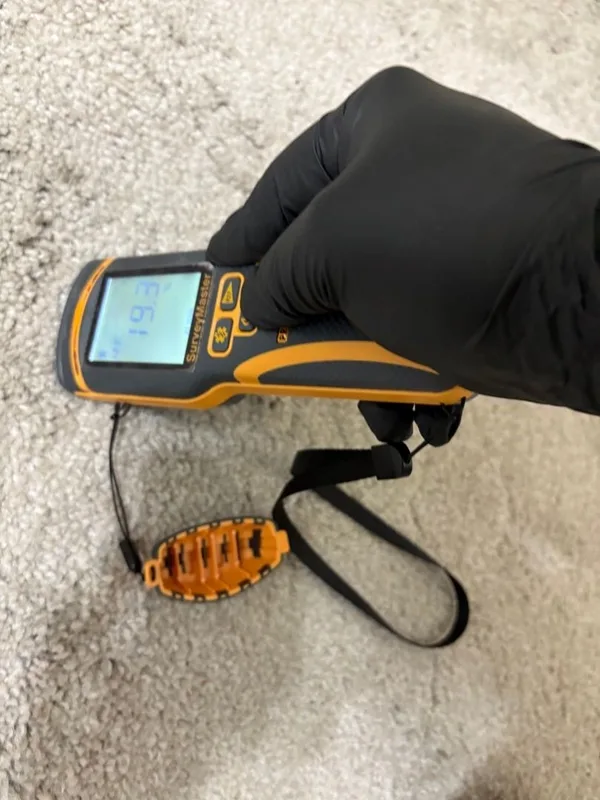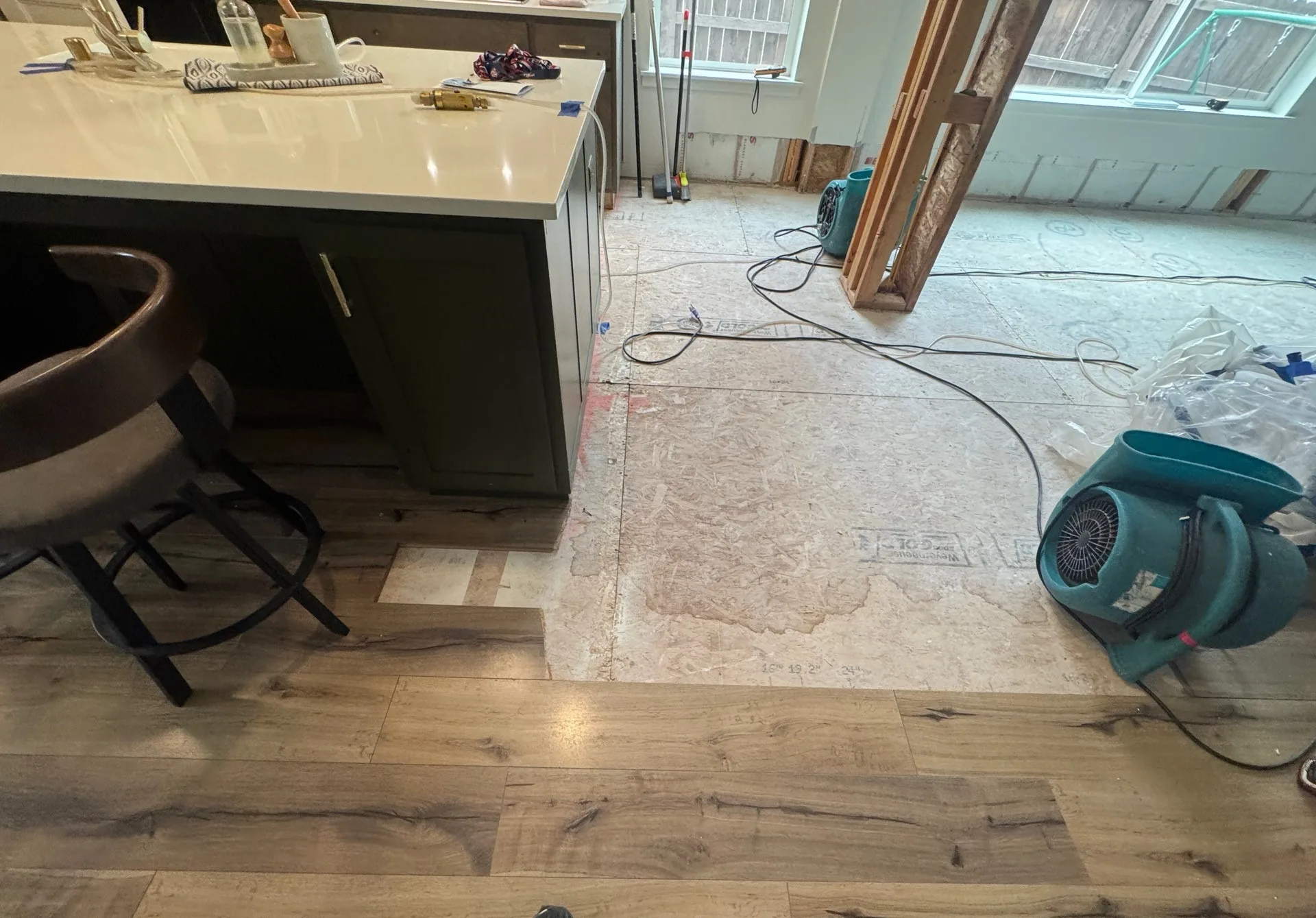
Water Damage Restoration in Cascade Park, WA: what we see locally
Cascade Park became part of the City of Vancouver through the January 1997 annexation — one of the largest municipal annexations in Washington state history, bringing roughly 58,000 east Vancouver residents into the city limits at once. Before that, it grew for decades as unincorporated Clark County along the SE Mill Plain Boulevard corridor. Cascade Park isn't a separately incorporated city or census-designated place, so there's no independent census count for the neighborhood alone; real-estate and walkability data sources put its population in the neighborhood of 18,000–18,500.
Housing here reflects that gradual, pre-annexation growth: platted single-family subdivisions built mostly from the 1970s through the 1990s sit alongside manufactured-home communities — the Great Western community off SE 1st Street, for instance, dates to 1979 — a mix TIK sees less often in the newer, finished-basement subdivisions of neighboring Felida or Salmon Creek.
SE Mill Plain Boulevard, carrying tens of thousands of vehicles a day past retail centers like the 1986-built Columbia Square near SE 136th Avenue, is the commercial spine of the neighborhood, with residential streets branching off to the north and south. Without a major creek running through it the way Burnt Bridge Creek touches Hazel Dell, Cascade Park's water-damage calls run more toward plumbing and appliance failures than creek-driven groundwater.
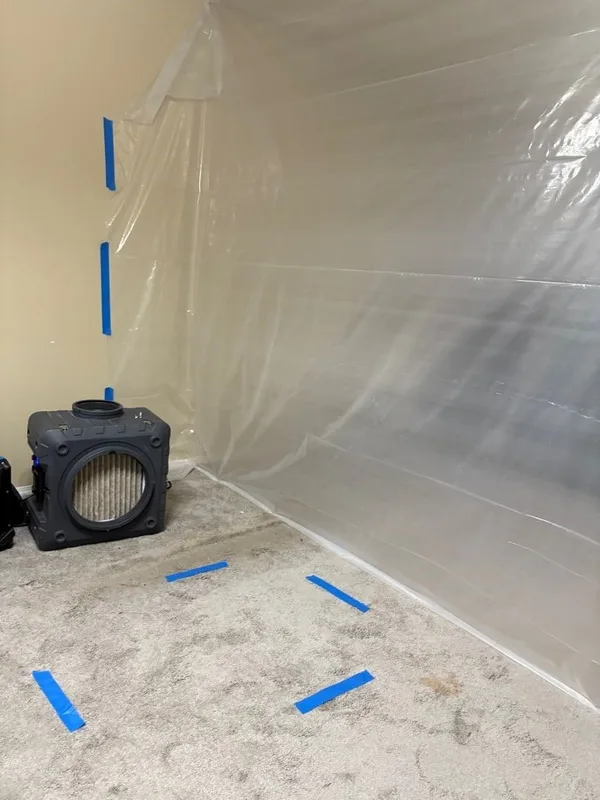
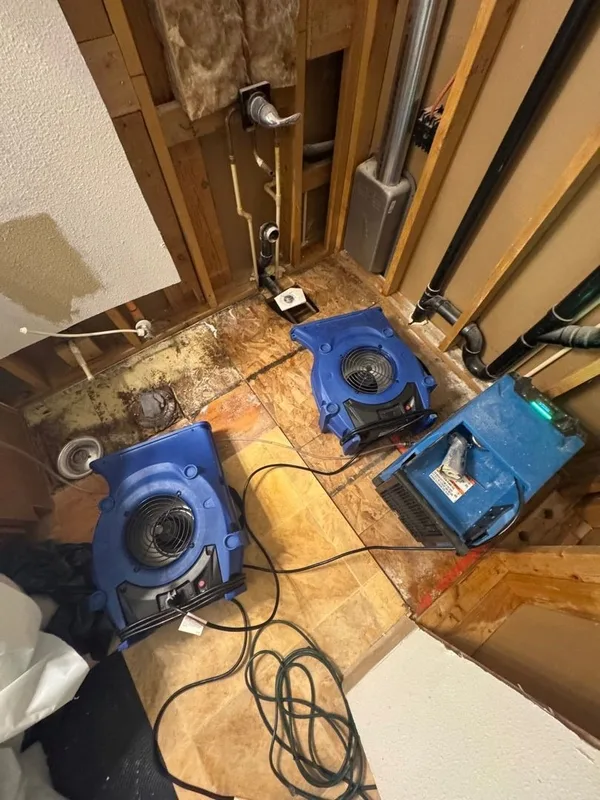
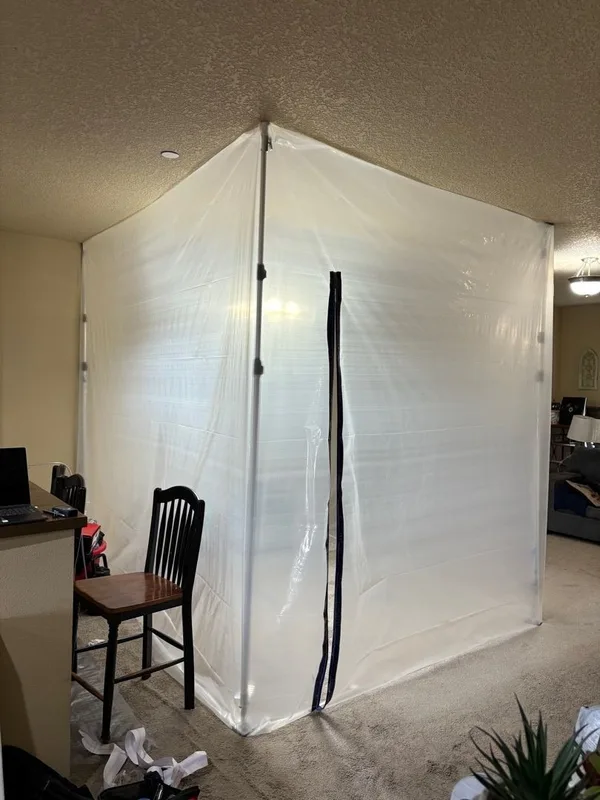
Typical water damage restoration scenario in Cascade Park: Cascade Park's older platted subdivisions (1970s–90s) and manufactured-home communities produce water-damage calls that skew toward aging supply lines and water heater failures, while washer and dishwasher supply-line leaks are common across the mixed housing stock generally. Without a major waterway running through the neighborhood, calls here are typically plumbing-driven rather than the creek-adjacent groundwater and crawl space moisture patterns seen in Hazel Dell and Salmon Creek.